You want a calmer home. You picture it sometimes: a place where you can actually relax, where the morning rush feels less frantic, where you’re not constantly tripping over clutter or searching for things you need.
But then you think about what it would take to get there. The organizing. The decorating. The time you don’t have. The Pinterest-perfect spaces that look nothing like your actual life.
Here’s what helps: calm doesn’t come from perfection. It comes from reducing the small stresses that pile up throughout your day—the stuff that’s annoying you before you’ve even had coffee.
Your home is meant to be lived in, and making everyday life feel easier is what creates real calm.
Start With What Actually Frustrates You
You know those moments that repeat themselves? The drawer that won’t close because it’s too full. The counter that’s always covered. The shoes that block the doorway every single morning.
Those aren’t just minor annoyances. They’re friction points that drain your energy dozens of times a week.
Function matters more than appearance. A beautiful room that doesn’t support how you actually live creates more stress than calm. But a space organized around your real routines makes everything flow better.
Notice what slows you down. Where do things pile up? What do you search for regularly? Which areas of your home make you tense when you walk past them?
Skip the rooms that just look messy. Go straight for the spots that make your daily life harder.
You don’t need to reorganize your entire house. You need to fix the three things that frustrate you most. The coat hooks at kid height. The basket for mail that actually gets used. The clear counter space near where you unload groceries.
Small changes in high-traffic areas create the biggest impact. When you remove daily friction, calm follows naturally.
Simple Improvements You Can Actually Maintain
The best home improvements are the ones that stick. Not the elaborate systems that fall apart in a week.
When every surface is covered, your brain can’t find a place to rest. But that doesn’t mean you need to become a minimalist or hide everything behind closed doors. It means giving the things you use most a clear, easy place to land.
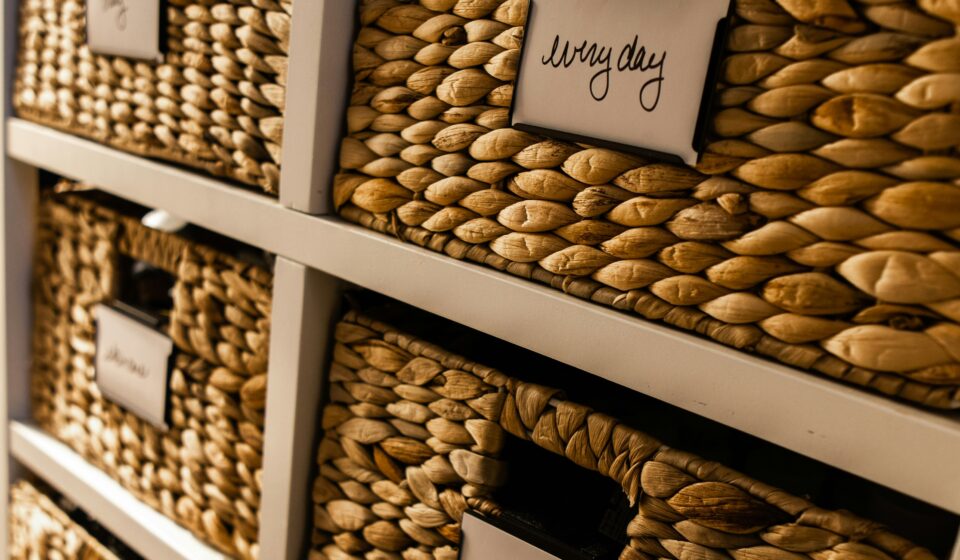
Open shelving works if you like how your dishes look and you’ll actually put them back. Bins work if you’ll use them. Hooks work better than hangers for most people because they’re faster.
The system that works is the one you’ll maintain without thinking about it.
Consider what makes your space feel more comfortable. Better lighting in the room where you spend evenings. A plant on the windowsill if you like taking care of it. Softer textures on the couch where you actually sit.
These aren’t decorating rules. They’re adjustments based on what you need from your space.
Let Go of How It’s Supposed to Look
The homes you see online aren’t real life. They’re staged moments. The kitchen with nothing on the counters belongs to someone who either doesn’t cook much or spent an hour clearing it for the photo.
A calm home isn’t defined by trends or magazine-worthy organization. It’s defined by how well it supports your actual life.
Maybe your dining table is covered in homework and projects because that’s where your family works together. Maybe your entryway has bags and shoes because that’s where everyone drops things when they come home tired.
That’s not failure. That’s real life.
The goal isn’t to eliminate all signs of living. It’s to make sure the mess that exists doesn’t prevent you from using your space or finding what you need.
Choose comfort over perfection. Function over aesthetics. Personal preferences over what someone else says you should do.
If you hate making the bed, don’t make it a priority. If you love candles, use them even if they’re not trendy anymore. If your kids’ artwork makes you happy, put it up even if it’s not “cohesive.”
Progress Over Perfection
Next month, the coat hooks might need to move higher because your kid grew three inches. The basket system that worked for one child falls apart with two. That’s not failure—that’s just how homes work when people actually live in them.
Start with one small thing. If it helps, keep it. If it doesn’t, try something else. That’s all this is—just noticing what makes your life easier and doing more of that.
This article is part of the Home & Garden category, where living spaces, home environments, and everyday routines around the home are explored.