Fitness for Real Life: How to Stay Active Without a Gym
For many people, staying active sounds like something that’s supposed to happen somewhere else. At a gym. During a dedicated block of time. On a day when energy shows up exactly as planned.
Real life doesn’t usually work that way.
Between full schedules, uneven energy, and days that unfold differently than expected, movement often gets pushed into an all-or-nothing category. If it can’t be done “properly,” it gets delayed. Over time, that can quietly create distance from your body instead of support.
Staying active without a gym isn’t about lowering expectations or settling for less. It’s often about noticing where movement already fits and letting that be enough.
What Staying Active Can Look Like Outside the Gym
Fitness doesn’t have to look like a workout to matter. In everyday life, movement often shows up in smaller, ordinary ways that don’t feel like exercise.
It might look like walking to clear your head instead of to hit a number. Standing, reaching, lifting, or carrying as part of normal routines. Getting up and down from the floor, stretching during a familiar show, or shifting positions because staying still no longer feels good.
None of this needs to be intense or tracked. For many people, the body responds just as much to regular movement as it does to formal routines. Recognizing that these moments count can lower pressure and make movement feel more available again.
Simple At-Home Movement That Doesn’t Feel Like a Workout
At home, staying active often works best when it blends into the day rather than interrupting it. Movement doesn’t have to be planned or completed to be useful.
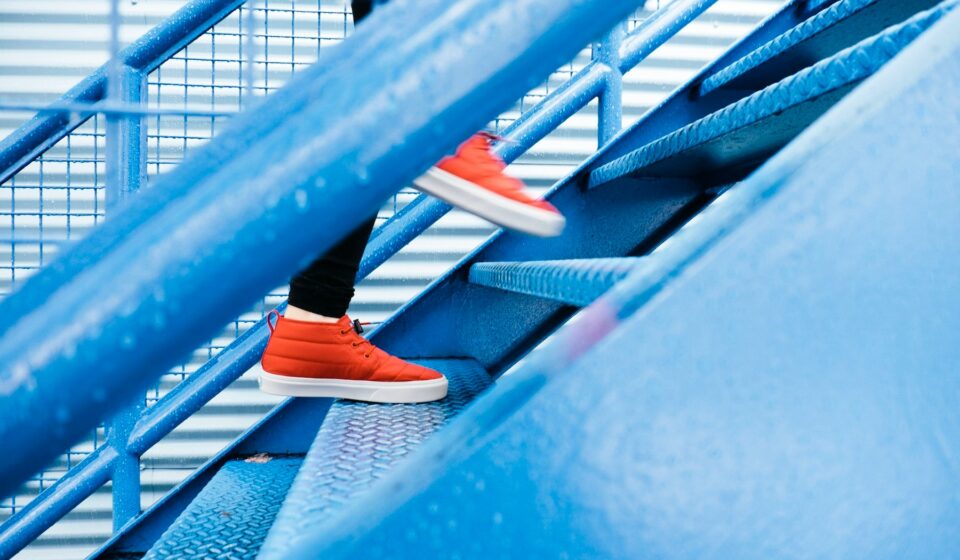
For some people, that means sitting and standing a few extra times instead of staying planted. Using stairs when they’re already there. Carrying laundry or groceries with a bit more awareness instead of rushing through the task. Stretching because the body asks for it, not because it’s scheduled.
These kinds of movements don’t require equipment, space, or a mindset shift. They happen because the body benefits from variety. Over time, that variety can help things feel looser and more supported without ever needing to call it exercise.
Staying Active During Things You Already Do
One of the easiest ways to stay active without a gym is to notice how much waiting already happens in a day and let a little movement slip in there.
That can look different depending on the moment:
While coffee brews or the microwave runs, shifting your weight, rolling your shoulders, or standing on one leg for a few seconds
While brushing your teeth, doing a few squats or holding a standing wall sit for a moment
While cooking or waiting for food, stepping side to side, stretching your arms overhead, or resetting your posture
While watching a show, stretching on the floor, moving your legs, or changing positions instead of staying still
While on the phone or listening to something, pacing, walking a short loop, or taking the stairs once or twice
None of this needs to happen every time. These are simply places where movement fits without asking for motivation, planning, or a shift into workout mode. If one or two moments start to feel natural, that’s enough.
Staying Active on Low-Energy Days
Some days don’t support much movement, and that’s part of real life too. Staying active doesn’t have to mean pushing through fatigue or forcing momentum.
On lower-energy days, movement often looks smaller and simpler. A short walk focused on circulation rather than distance. Gentle stretching on the floor. Changing positions more often instead of staying still for long stretches.
These moments may feel minor, but they still support the body without asking for more than it can give. Letting activity scale with energy helps keep movement present even during harder seasons.
A Calmer Way to Think About Fitness
Staying active without a gym doesn’t require redefining yourself or committing to a new system. For many people, it’s simply about removing the idea that movement has to look a certain way to matter.
When fitness fits into real life instead of competing with it, it becomes easier to return to without pressure or expectations. For many people, that steadier relationship is what makes the biggest difference.
This article is part of the Health & Wellness category, where everyday topics related to well-being, energy, stress, and balance are explored through a practical, real-life lens.