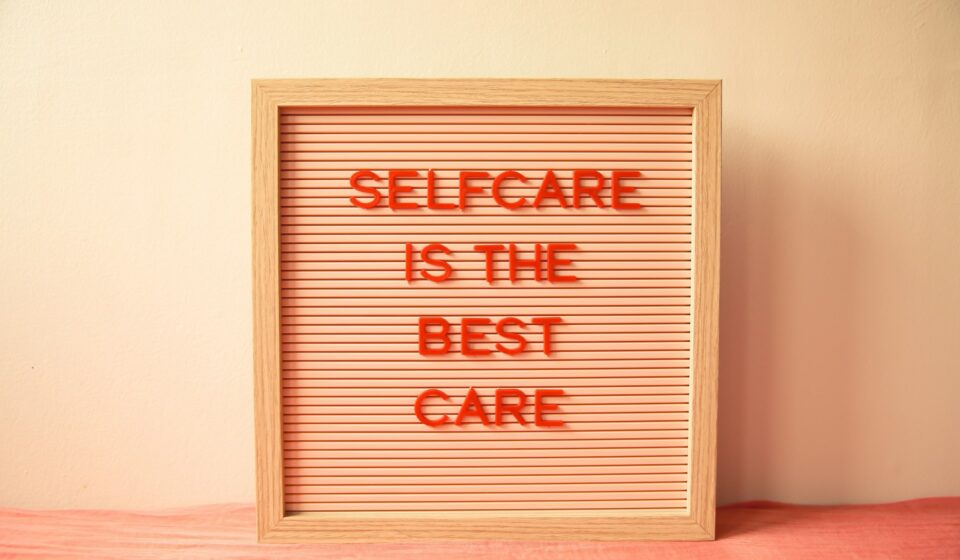
The Truth About Self-Care (And What Actually Helps)
Self-care is often presented as something extra. A reward, a reset, or a solution for when life feels overwhelming. In everyday life, most people are not looking for elaborate routines or big transformations. They are looking for ways to feel a little more supported while managing normal responsibilities.
In practice, self-care tends to work best when it blends into daily life instead of competing with it. It often looks simpler and quieter than expected. The sections below focus on practical forms of self-care that many people find helpful because they are realistic, flexible, and easy to repeat.
Self-Care That Reduces Daily Friction
One overlooked form of self-care is removing small points of stress from everyday routines. These are not major changes. They are small adjustments that make daily tasks feel less demanding.
Examples include:
Keeping frequently used items in the same place
Simplifying morning or evening routines
Choosing clothes, meals, or plans that require fewer decisions
Reducing friction can lower mental strain. When daily tasks feel easier to manage, energy becomes easier to conserve.
Self-Care That Supports Energy, Not Productivity
Self-care is sometimes framed as a way to become more productive. In real life, it often works better when it focuses on supporting energy instead.
This may look like:
Pausing before feeling fully exhausted
Choosing lower-effort activities on especially busy days
Letting some tasks remain unfinished without self-criticism
Self-care does not always need to improve mood or create motivation. For many people, emotional neutrality feels supportive enough.
This can include:
Rewatching familiar shows
Spending time in quiet or low-stimulation environments
Choosing predictable, comforting activities
These moments can feel grounding, especially during stressful periods. They do not need to feel meaningful or productive to serve a purpose.
Self-Care That Respects Personal Preferences
Effective self-care often aligns with personal comfort rather than trends or expectations. What feels supportive can vary widely from one person to another.
For some, that means:
Solitude instead of social plans
Gentle movement instead of intense activity
Simple routines rather than structured programs
When self-care reflects individual preferences, it becomes easier to maintain without added pressure.
Self-Care That Can Be Repeated Easily
Sustainable self-care is often simple enough to repeat regularly. If something only works under ideal conditions, it may not fit long term.
Repeatable self-care often includes:
Short, familiar routines
Low-cost or no-cost activities
Habits that fit into existing schedules
Consistency tends to come from ease rather than discipline. When something feels manageable, it is more likely to continue.
A Calmer Way to Think About Self-Care
Self-care does not need to be impressive to be effective. It does not need to fix everything or lead to noticeable change. Often, it simply helps everyday life feel a little more manageable.
When self-care is viewed as flexible and personal, it becomes less about doing more and more about choosing what feels supportive in the moment. That perspective alone can make self-care feel easier to approach and easier to trust.
This article is part of the Health & Wellness category, where everyday topics related to well-being, energy, stress, and balance are explored through a practical, real-life lens.